American Yellowwood (Cladrastis kentukea)
Hardy, deciduous, Eastern North American tree
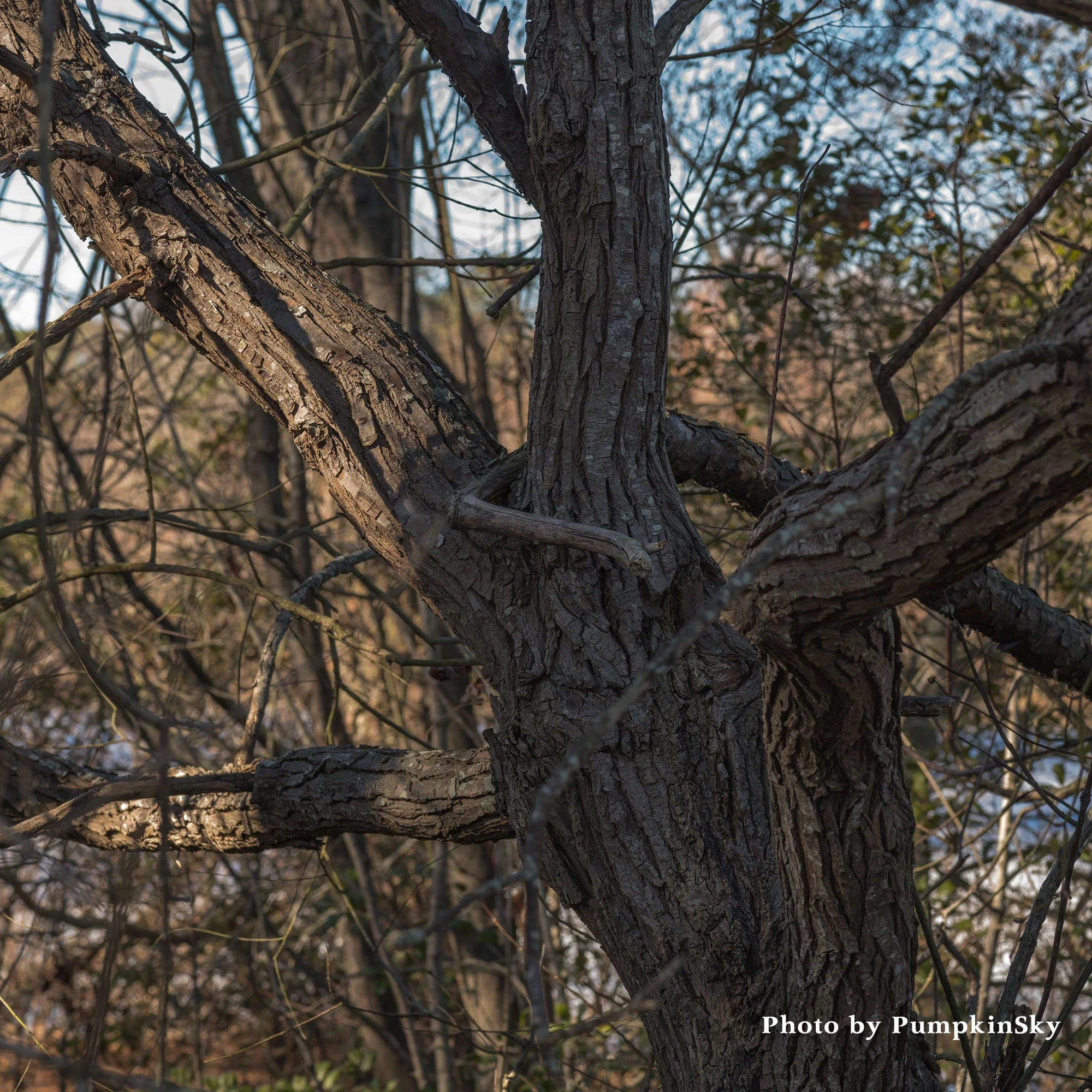
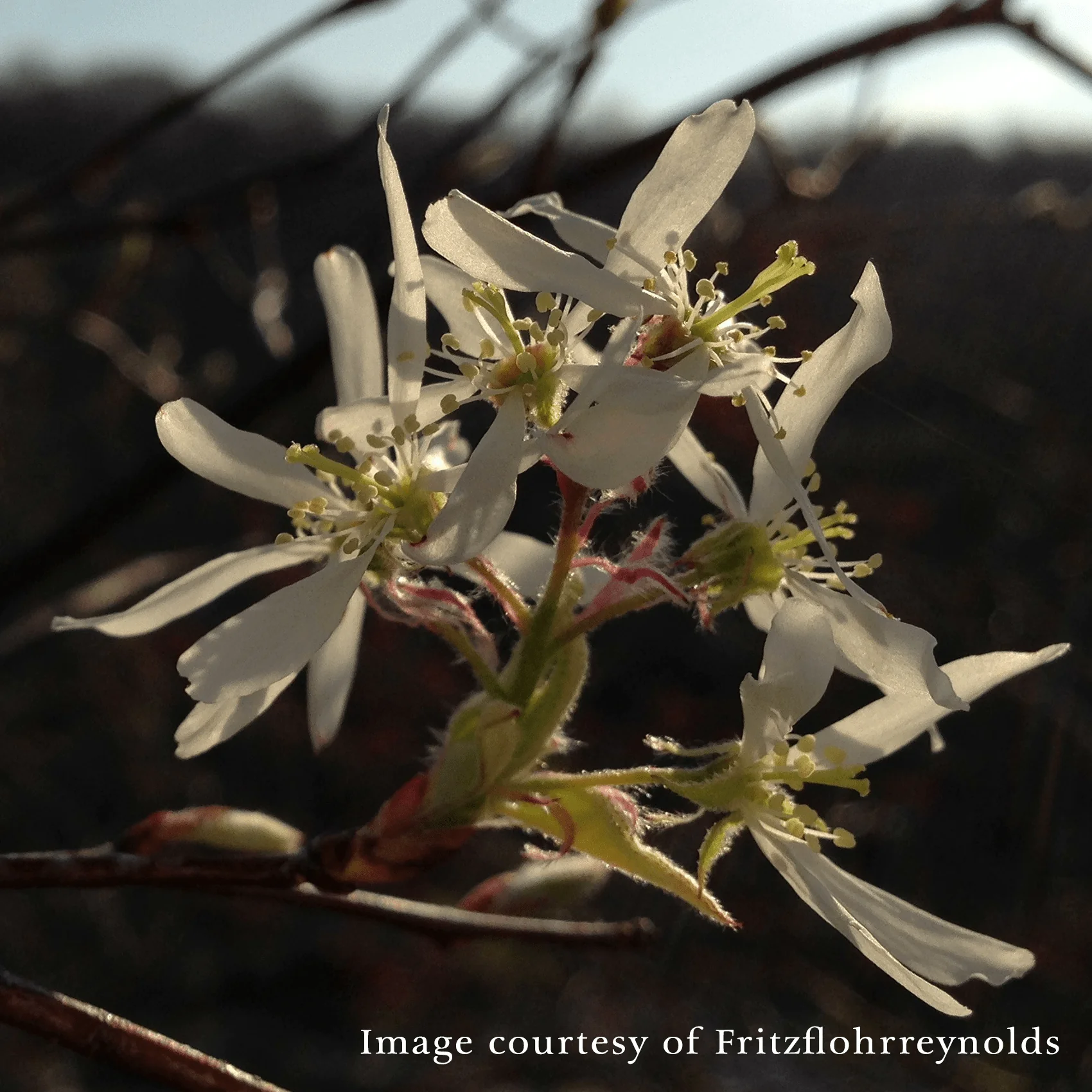
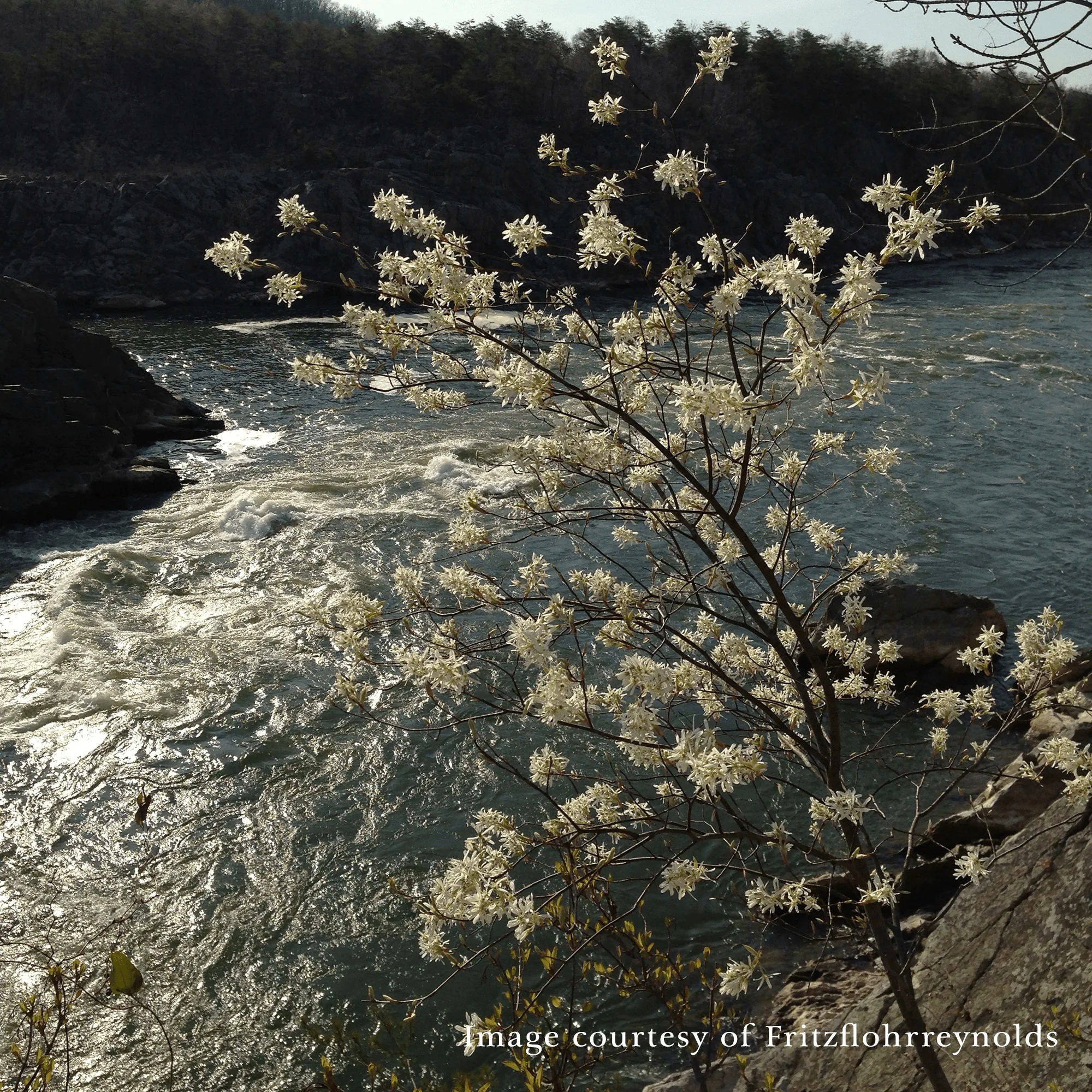
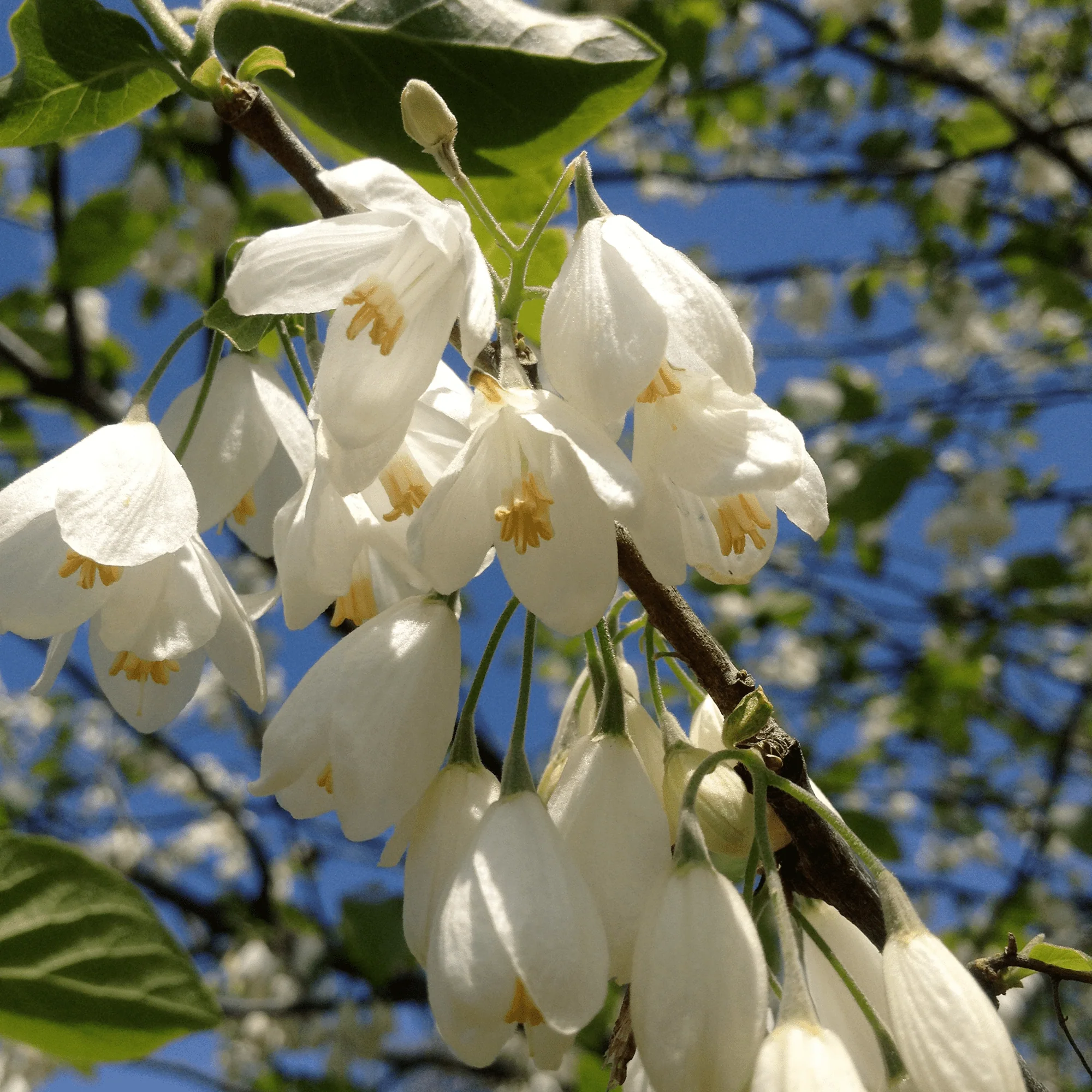
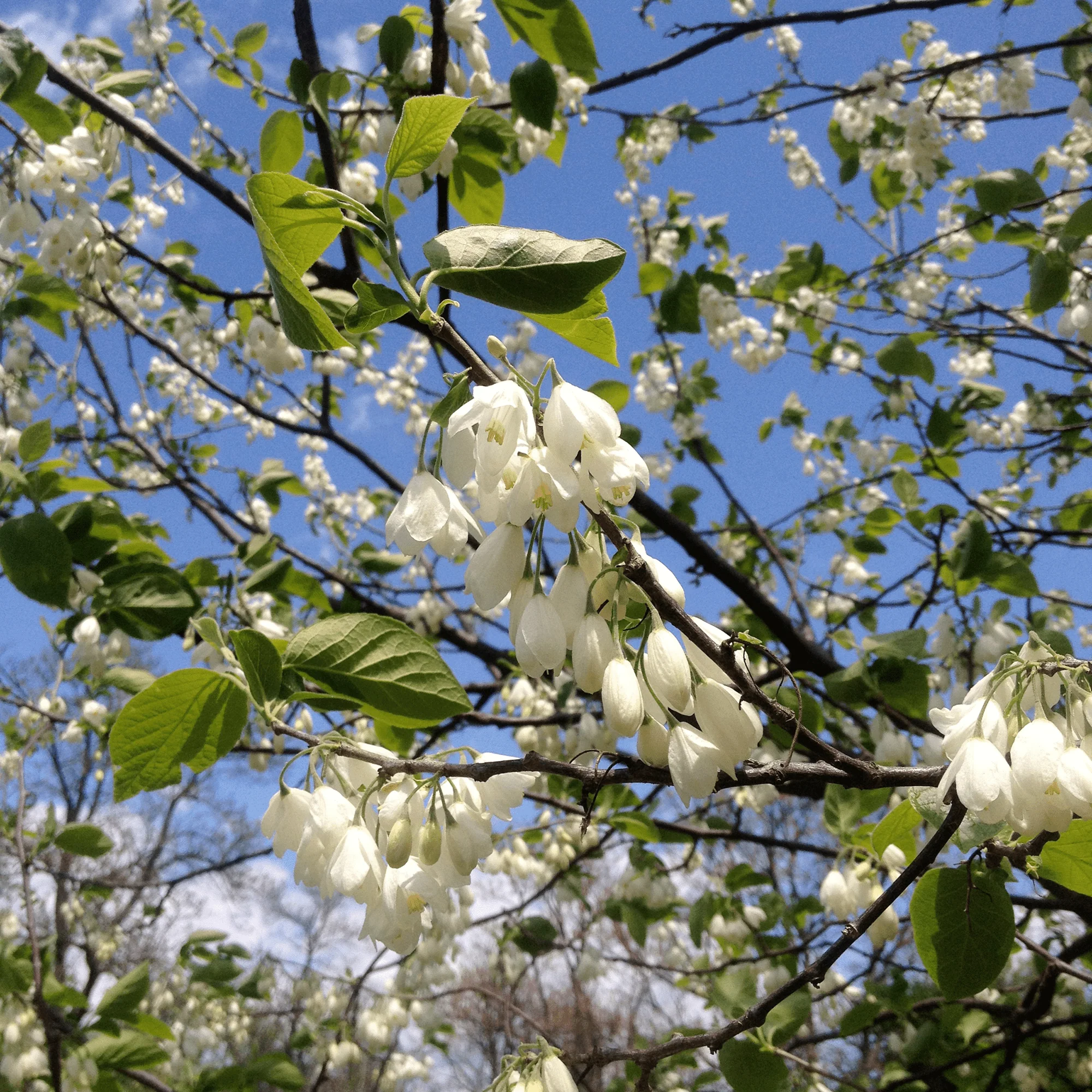
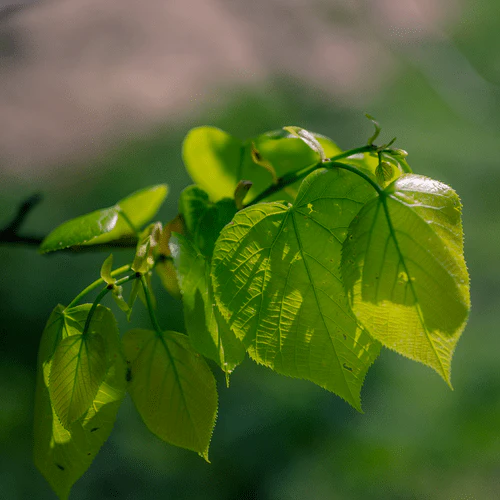
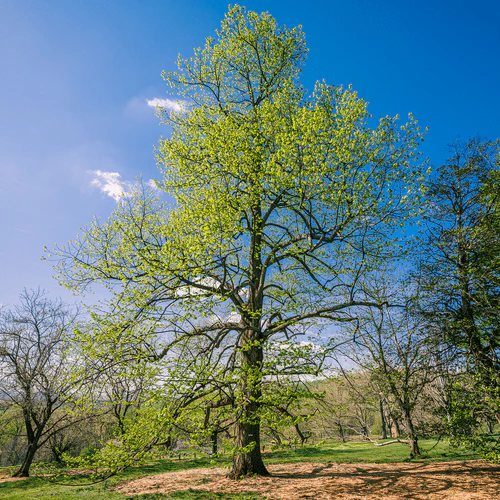
Pendulous clusters of fragrant, white flowers appear in late spring, resembling Wisteria; bright green, pinnately compound foliage and smooth gray bark; foliage turns a mix of soft yellow, gold, and orange; takes around 10 years to reach flowering age
Origin: Southeastern United States
Cladrastis kentukea is native to the southeastern United States, but is not widespread. Its common name, Yellowwood, describes the color of the wood when the tree is freshly cut. First noted in the wild by botanist and plant explorer André Michaux in 1796, this species was named by his son François Michaux in 1813 as Virgilia lutea. In 1822, botanist and polymath Constantine S. Rafinesque renamed the species Cladrastis and sent seeds to Thomas Jefferson. Writing from Monticello that same year, Jefferson thanked Rafinesque for the seeds, stating “too old to plant trees for my own gratification, I shall do it for my posterity…”
More Images
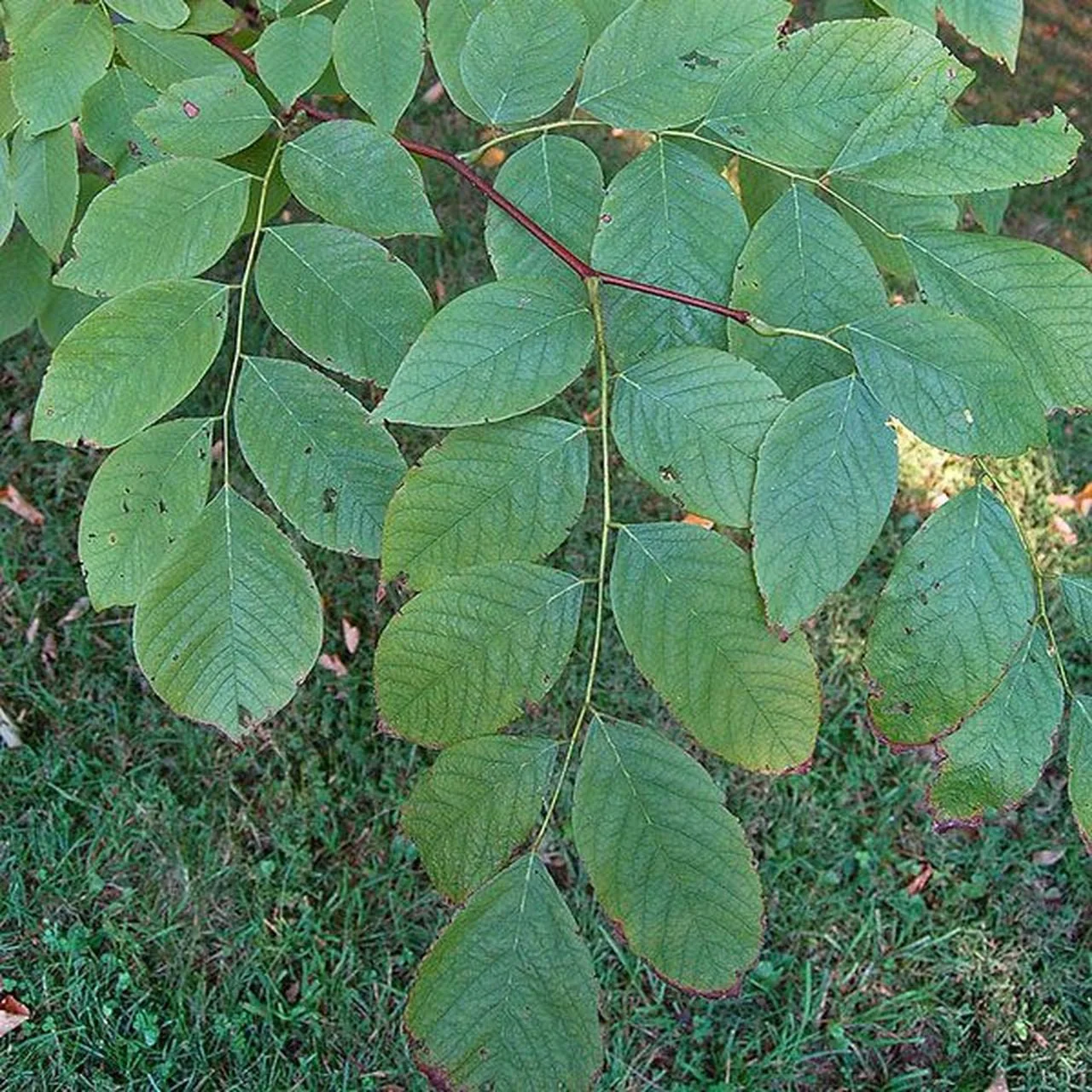

American Yellowwood (Cladrastis kentukea)
Hardy, deciduous, Eastern North American tree
Pendulous clusters of fragrant, white flowers appear in late spring, resembling Wisteria; bright green, pinnately compound foliage and smooth gray bark; foliage turns a mix of soft yellow, gold, and orange; takes around 10 years to reach flowering age
Origin: Southeastern United States
Cladrastis kentukea is native to the southeastern United States, but is not widespread. Its common name, Yellowwood, describes the color of the wood when the tree is freshly cut. First noted in the wild by botanist and plant explorer André Michaux in 1796, this species was named by his son François Michaux in 1813 as Virgilia lutea. In 1822, botanist and polymath Constantine S. Rafinesque renamed the species Cladrastis and sent seeds to Thomas Jefferson. Writing from Monticello that same year, Jefferson thanked Rafinesque for the seeds, stating “too old to plant trees for my own gratification, I shall do it for my posterity…”
Product Information
Product Information
Shipping & Returns
Shipping & Returns
Description
Hardy, deciduous, Eastern North American tree
Pendulous clusters of fragrant, white flowers appear in late spring, resembling Wisteria; bright green, pinnately compound foliage and smooth gray bark; foliage turns a mix of soft yellow, gold, and orange; takes around 10 years to reach flowering age
Origin: Southeastern United States
Cladrastis kentukea is native to the southeastern United States, but is not widespread. Its common name, Yellowwood, describes the color of the wood when the tree is freshly cut. First noted in the wild by botanist and plant explorer André Michaux in 1796, this species was named by his son François Michaux in 1813 as Virgilia lutea. In 1822, botanist and polymath Constantine S. Rafinesque renamed the species Cladrastis and sent seeds to Thomas Jefferson. Writing from Monticello that same year, Jefferson thanked Rafinesque for the seeds, stating “too old to plant trees for my own gratification, I shall do it for my posterity…”