Bare Root Winterberry Holly (Ilex verticillata unsexed)
Deciduous North American shrub
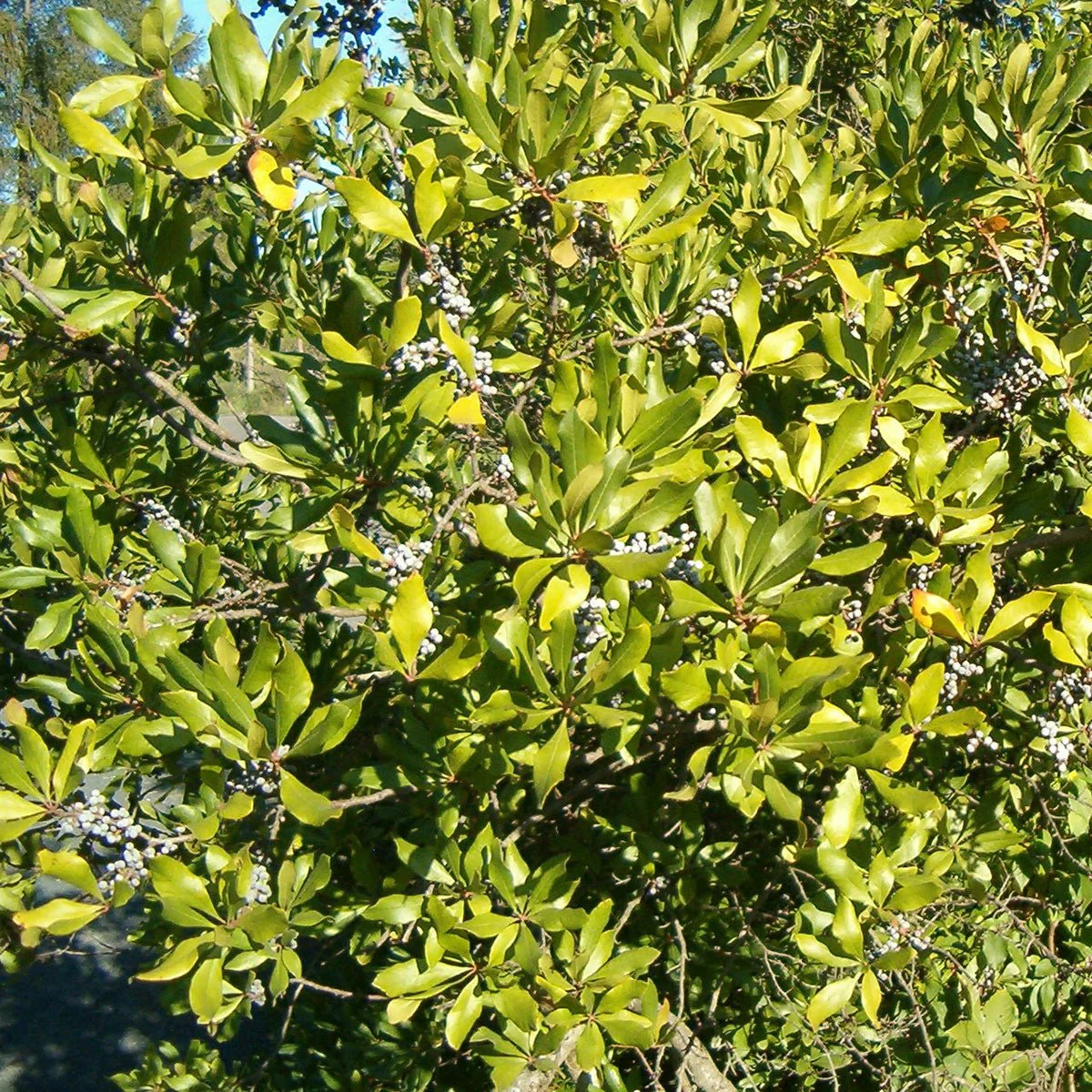
Description: Bright red fruits persist through the winter; dark green foliage turns yellow in autumn
Habit: Grows 6 to 10 feet tall and wide, suckering
Culture: Prefers moist, acidic soils high in organic matter and full sun to part shade
Hardiness: Cold hardy to USDA Zones 3 through 9
Origin North America
Attibutes: Winter berries, rain garden, attracts birds
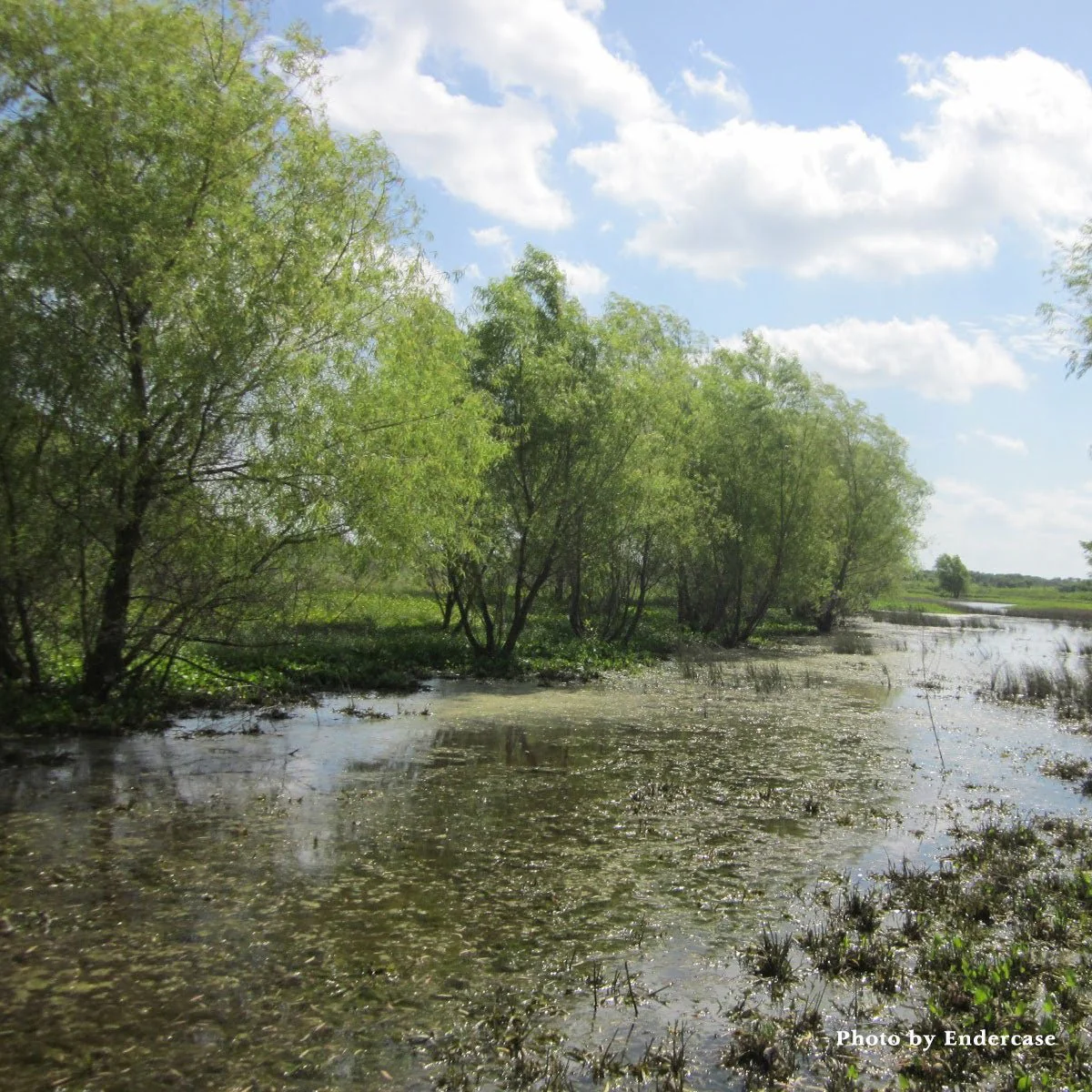
This native shrub, also known as “black alder,” ranges from Newfoundland to Minnesota, south to Georgia and Tennessee and is typically found in swamps and by ponds. It was introduced to European gardens in 1736. Writing to Philadelphia plant collector William Hamilton in March, 1808, Thomas Jefferson referred to a recent shipment of plants that included 12 “Winter berry (Prinus verticillatus [sic]),” and noted that “the swamps in this neighborhood are now red with this berry” (the shrub was initially given the name Prinos verticillatus by Linnaeus). Garden historian Ann Leighton believes this is the “Red Berry” George Washington looked for when riding out to find movable shrubs and trees for Mount Vernon. The fruits are highly ornamental and edible to birds and wildlife.
Winterberry Hollies are dioecious, meaning a male and a female plant are both required for pollination and fruit set. Our plants are unsexed due to their immaturity; we recommend purchasing more than one plant to increase the likelihood of fruit production, including berries and seeds.
This plant will ship bare root. Approximately 12" tall.
Bare root planting tips:
~ If you can't plant immediately, store your plant in a cool location and keep the roots moist or pot in a container with a nursery potting mix from your local garden center.
~ Before planting, let the roots soak for several hours as you prepare the site. You'll want to dig a large enough hole so the root mass can spread out and the plant is at the same soil level as when it was growing in the nursery.
~ Once planted, water it in well and wait a month before fertilizing. Mulching will help to maintain moisture and raise soil temperatures for faster growth.
More Images


Bare Root Winterberry Holly (Ilex verticillata unsexed)
Deciduous North American shrub
Description: Bright red fruits persist through the winter; dark green foliage turns yellow in autumn
Habit: Grows 6 to 10 feet tall and wide, suckering
Culture: Prefers moist, acidic soils high in organic matter and full sun to part shade
Hardiness: Cold hardy to USDA Zones 3 through 9
Origin North America
Attibutes: Winter berries, rain garden, attracts birds
This native shrub, also known as “black alder,” ranges from Newfoundland to Minnesota, south to Georgia and Tennessee and is typically found in swamps and by ponds. It was introduced to European gardens in 1736. Writing to Philadelphia plant collector William Hamilton in March, 1808, Thomas Jefferson referred to a recent shipment of plants that included 12 “Winter berry (Prinus verticillatus [sic]),” and noted that “the swamps in this neighborhood are now red with this berry” (the shrub was initially given the name Prinos verticillatus by Linnaeus). Garden historian Ann Leighton believes this is the “Red Berry” George Washington looked for when riding out to find movable shrubs and trees for Mount Vernon. The fruits are highly ornamental and edible to birds and wildlife.
Winterberry Hollies are dioecious, meaning a male and a female plant are both required for pollination and fruit set. Our plants are unsexed due to their immaturity; we recommend purchasing more than one plant to increase the likelihood of fruit production, including berries and seeds.
This plant will ship bare root. Approximately 12" tall.
Bare root planting tips:
~ If you can't plant immediately, store your plant in a cool location and keep the roots moist or pot in a container with a nursery potting mix from your local garden center.
~ Before planting, let the roots soak for several hours as you prepare the site. You'll want to dig a large enough hole so the root mass can spread out and the plant is at the same soil level as when it was growing in the nursery.
~ Once planted, water it in well and wait a month before fertilizing. Mulching will help to maintain moisture and raise soil temperatures for faster growth.
Product Information
Product Information
Shipping & Returns
Shipping & Returns
Description
Deciduous North American shrub
Description: Bright red fruits persist through the winter; dark green foliage turns yellow in autumn
Habit: Grows 6 to 10 feet tall and wide, suckering
Culture: Prefers moist, acidic soils high in organic matter and full sun to part shade
Hardiness: Cold hardy to USDA Zones 3 through 9
Origin North America
Attibutes: Winter berries, rain garden, attracts birds
This native shrub, also known as “black alder,” ranges from Newfoundland to Minnesota, south to Georgia and Tennessee and is typically found in swamps and by ponds. It was introduced to European gardens in 1736. Writing to Philadelphia plant collector William Hamilton in March, 1808, Thomas Jefferson referred to a recent shipment of plants that included 12 “Winter berry (Prinus verticillatus [sic]),” and noted that “the swamps in this neighborhood are now red with this berry” (the shrub was initially given the name Prinos verticillatus by Linnaeus). Garden historian Ann Leighton believes this is the “Red Berry” George Washington looked for when riding out to find movable shrubs and trees for Mount Vernon. The fruits are highly ornamental and edible to birds and wildlife.
Winterberry Hollies are dioecious, meaning a male and a female plant are both required for pollination and fruit set. Our plants are unsexed due to their immaturity; we recommend purchasing more than one plant to increase the likelihood of fruit production, including berries and seeds.
This plant will ship bare root. Approximately 12" tall.
Bare root planting tips:
~ If you can't plant immediately, store your plant in a cool location and keep the roots moist or pot in a container with a nursery potting mix from your local garden center.
~ Before planting, let the roots soak for several hours as you prepare the site. You'll want to dig a large enough hole so the root mass can spread out and the plant is at the same soil level as when it was growing in the nursery.
~ Once planted, water it in well and wait a month before fertilizing. Mulching will help to maintain moisture and raise soil temperatures for faster growth.