Bottlebrush Buckeye (Aesculus parviflora)
Hardy, mid-summer flowering, North American shrub
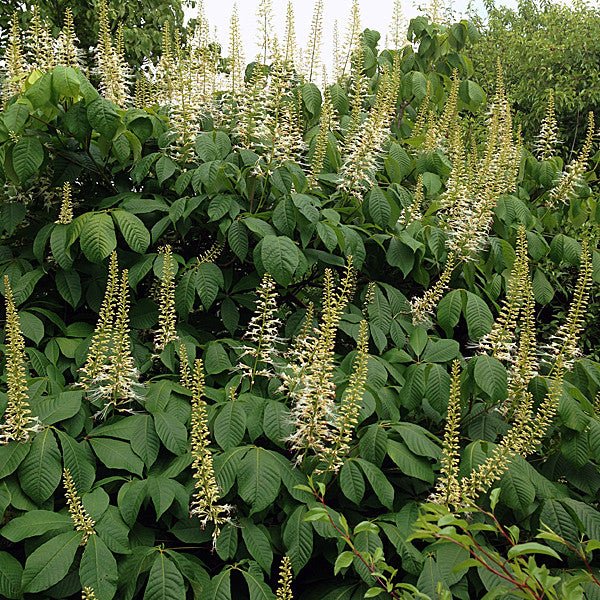
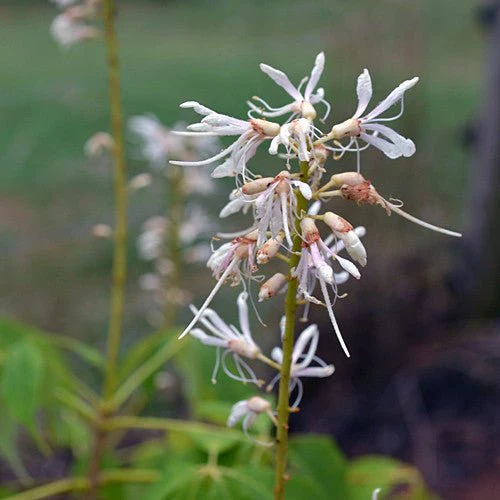
Description: Bears showy, spidery white flowers, with protruding stamens, in 12-inch conical clusters, followed by smooth-skinned fruit
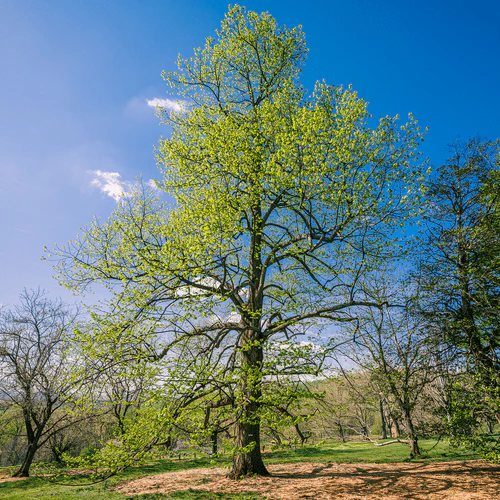
Habit: Grows to 10 feet high and 15 feet wide; spreads by suckering
Culture: Prefers full sun to partial shade and moist but well-drained soil
Hardiness: Cold hardy to USDA Zone 5
Origin: North America
Attributes: Deer resistant, attracts butterflies, fall color
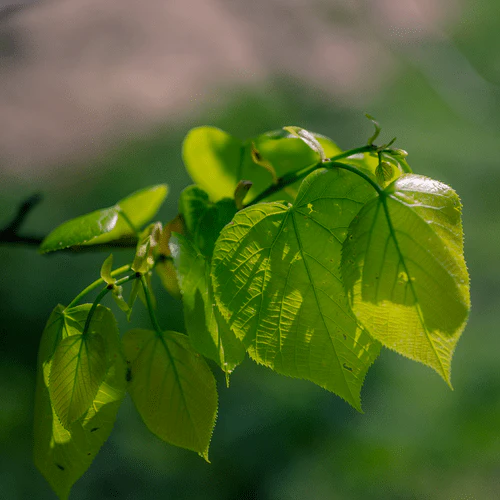
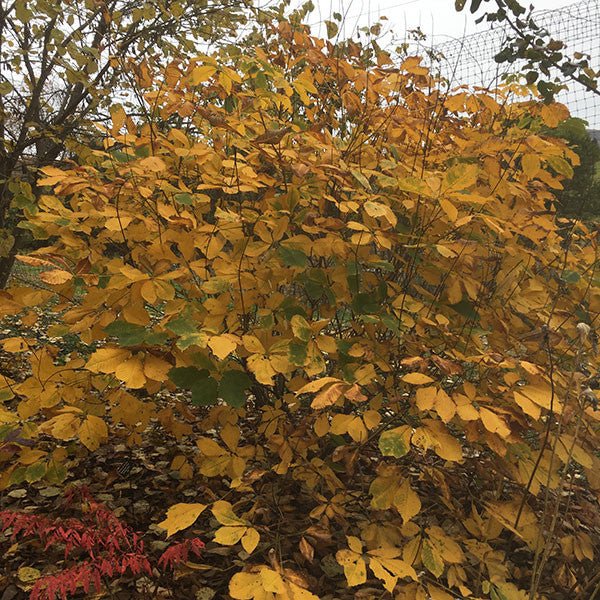
Philadelphia botanist and plant explorer William Bartram first discovered this handsome shrub of the southeastern United States during his travels in Carolina, Georgia, and Florida in 1773-78; a specimen, believed planted by William, still grew in the Bartram's nursery in 1930. John Fraser introduced the shrub to England in 1785; by 1820, the bottlebrush buckeye was "to be met with in most of our nurseries" in Great Britain. It has outstanding spring and autumn foliage color and is very attractive to butterflies.
e5,zone6,zone7,zone8,zone9
More Images
Bottlebrush Buckeye (Aesculus parviflora)
Hardy, mid-summer flowering, North American shrub
Description: Bears showy, spidery white flowers, with protruding stamens, in 12-inch conical clusters, followed by smooth-skinned fruit
Habit: Grows to 10 feet high and 15 feet wide; spreads by suckering
Culture: Prefers full sun to partial shade and moist but well-drained soil
Hardiness: Cold hardy to USDA Zone 5
Origin: North America
Attributes: Deer resistant, attracts butterflies, fall color
Philadelphia botanist and plant explorer William Bartram first discovered this handsome shrub of the southeastern United States during his travels in Carolina, Georgia, and Florida in 1773-78; a specimen, believed planted by William, still grew in the Bartram's nursery in 1930. John Fraser introduced the shrub to England in 1785; by 1820, the bottlebrush buckeye was "to be met with in most of our nurseries" in Great Britain. It has outstanding spring and autumn foliage color and is very attractive to butterflies.
e5,zone6,zone7,zone8,zone9
Product Information
Product Information
Shipping & Returns
Shipping & Returns
Description
Hardy, mid-summer flowering, North American shrub
Description: Bears showy, spidery white flowers, with protruding stamens, in 12-inch conical clusters, followed by smooth-skinned fruit
Habit: Grows to 10 feet high and 15 feet wide; spreads by suckering
Culture: Prefers full sun to partial shade and moist but well-drained soil
Hardiness: Cold hardy to USDA Zone 5
Origin: North America
Attributes: Deer resistant, attracts butterflies, fall color
Philadelphia botanist and plant explorer William Bartram first discovered this handsome shrub of the southeastern United States during his travels in Carolina, Georgia, and Florida in 1773-78; a specimen, believed planted by William, still grew in the Bartram's nursery in 1930. John Fraser introduced the shrub to England in 1785; by 1820, the bottlebrush buckeye was "to be met with in most of our nurseries" in Great Britain. It has outstanding spring and autumn foliage color and is very attractive to butterflies.
e5,zone6,zone7,zone8,zone9