Bridalwreath Spirea (Spiraea prunifolia)
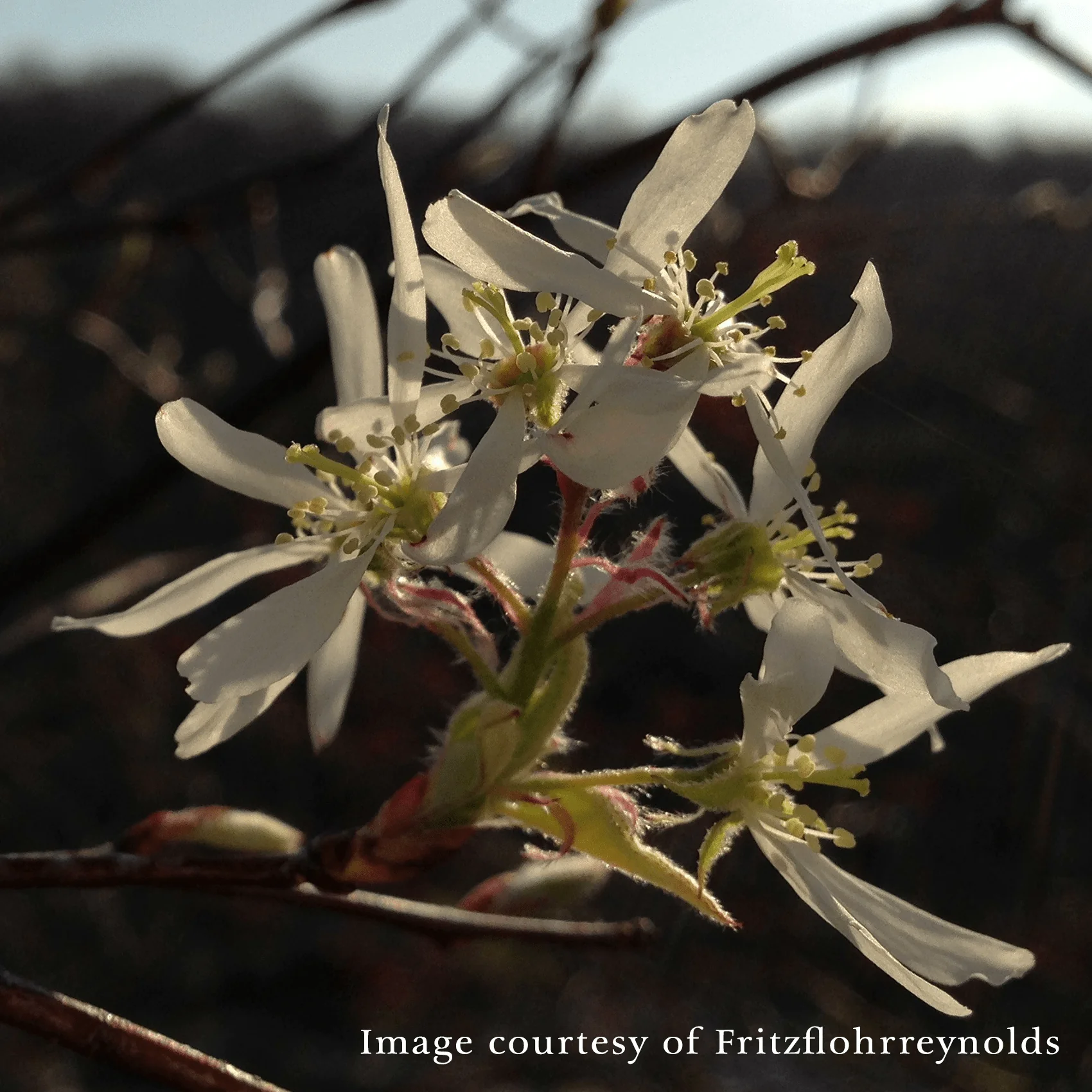
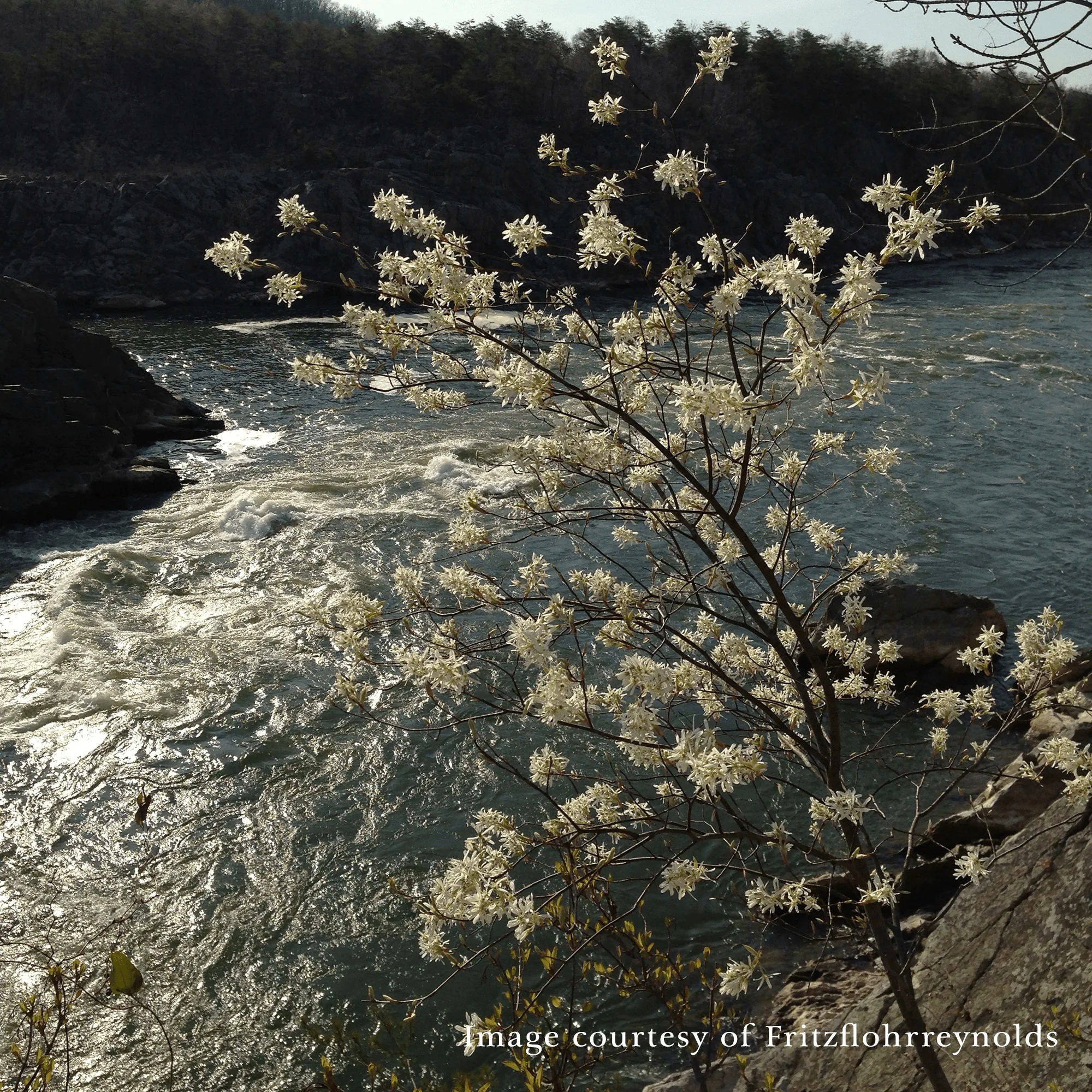
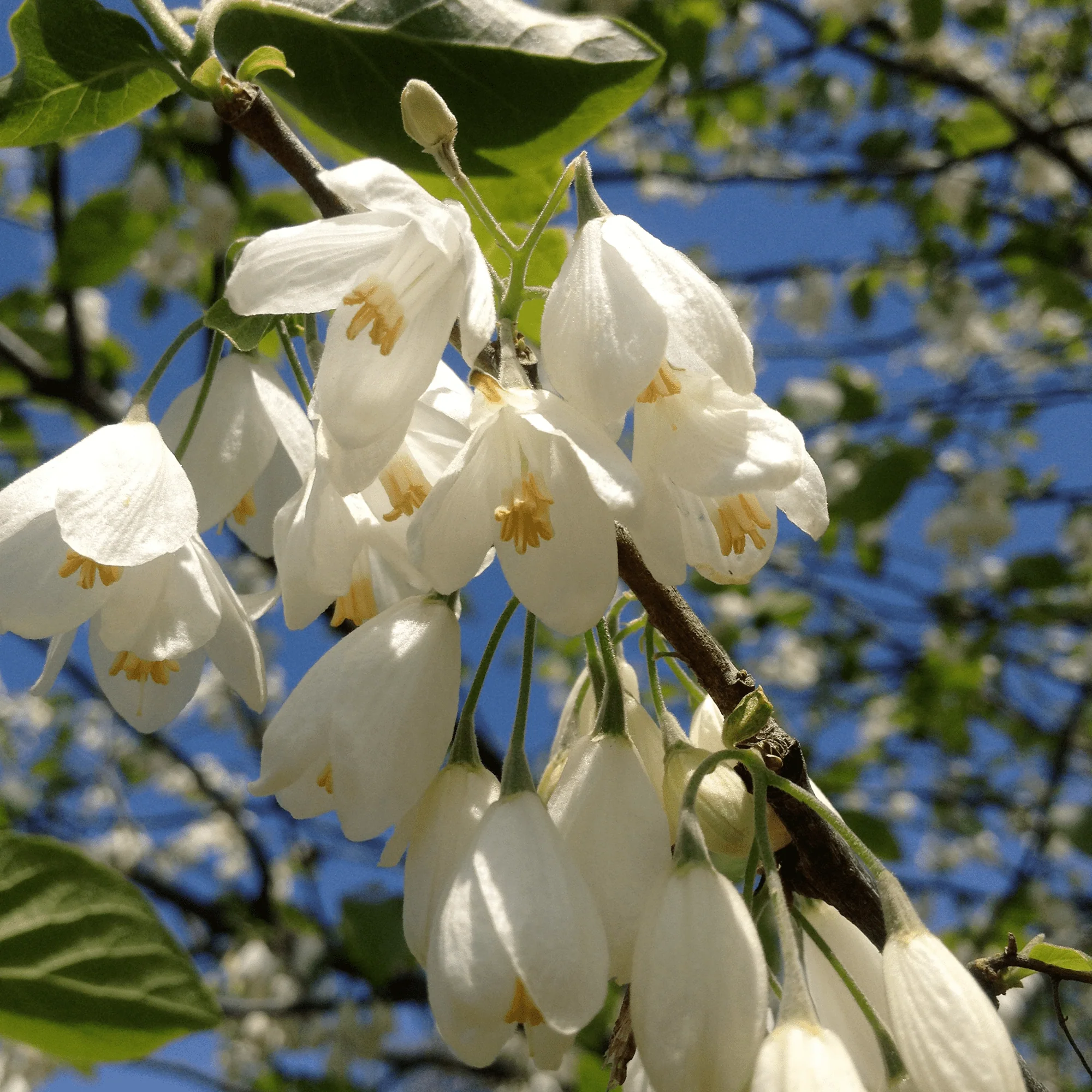
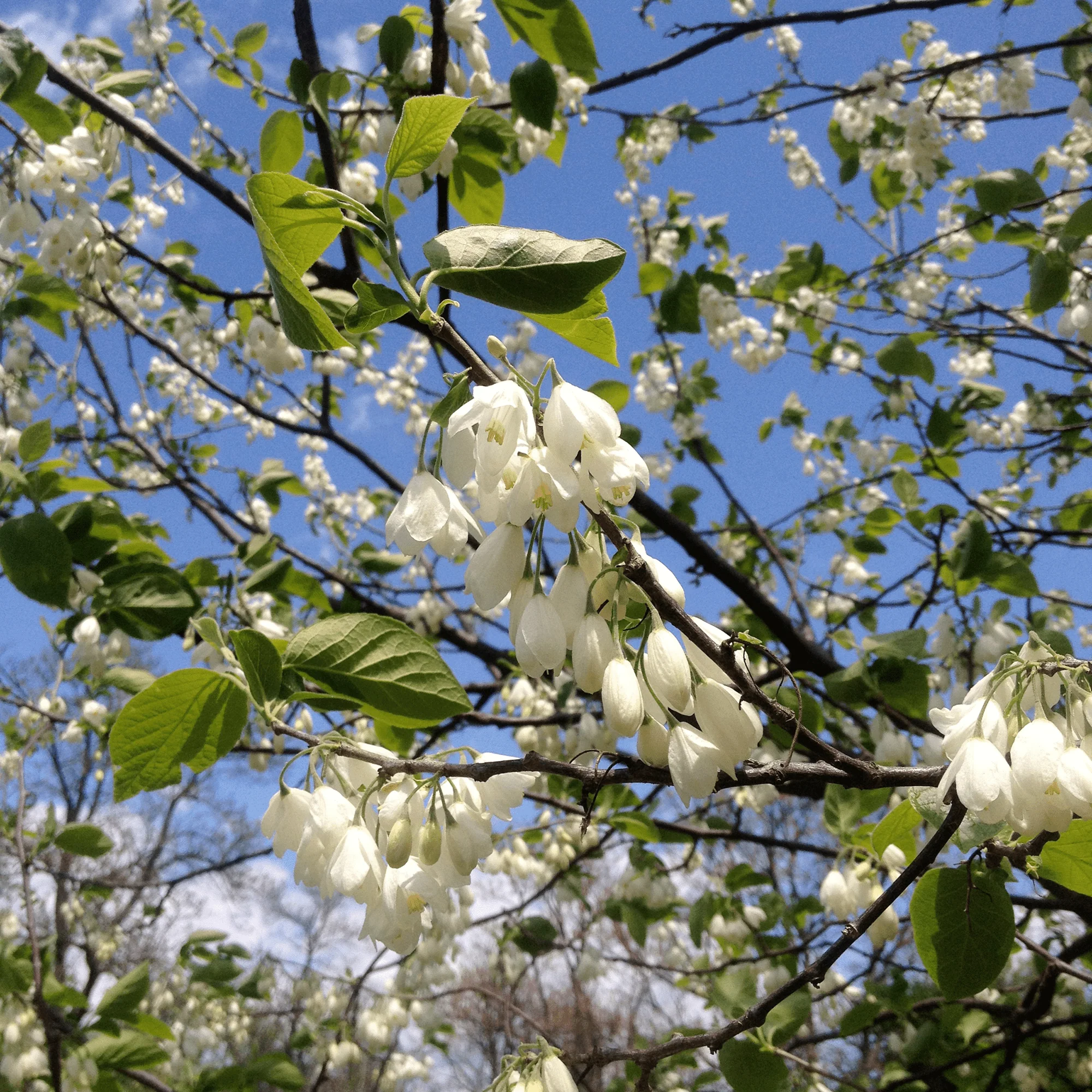
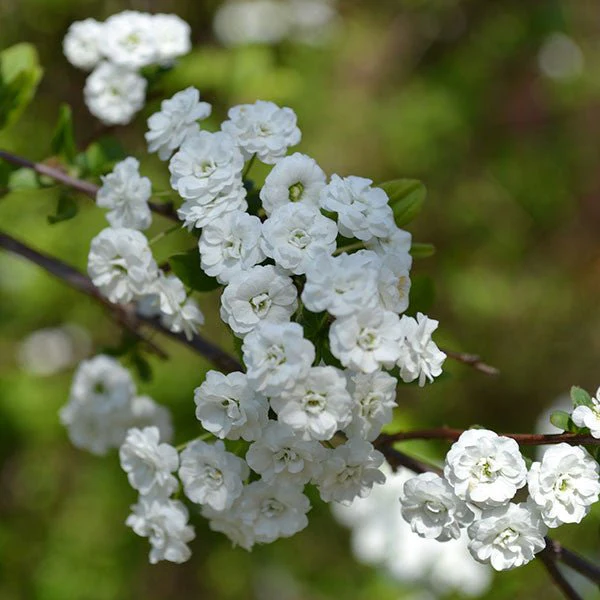
Description: Hardy, deciduous, spring-flowering shrub A profusion of double, pure white flowers are borne in dense clusters on arching branches before the emergence of small, elliptical, shiny dark green leaves; foliage turns lovely shades of red, orange, and purple in fall
Habit: Grows 6-8 feet tall and wide; upright and dense, becoming more open and leggy with age
Culture: Prefers full sun and average, well-drained soils; tolerates light shade and some drought once established; prune right after flowering, if needed
Hardiness: Cold hardy to USDA Zone 4
Origin: China
Attributes: Attracts butterflies, fall color, deer resistant
This especially floriferous Spirea, introduced from its native China by plant hunter Robert Fortune in 1844, has long been admired for its profusion of double white flowers borne on bare branches in early spring. Its Chinese name means Smile-laugh-flowers. Imported to America soon after its arrival in the West, Spiraea prunifolia was praised by James Wilson of Albany, NY, in a letter to The Horticulturist magazine in 1849: "This charming shrub needs only to be seen, to be admired. No lover of flowers ought to be without it." By 1870 it was considered "One of the most common and most beautiful" of spireas (Frank Scott, The Art of Beautifying Suburban Home Grounds of Small Extent).
Original: $18.00
-65%$18.00
$6.30Bridalwreath Spirea (Spiraea prunifolia)
Description: Hardy, deciduous, spring-flowering shrub A profusion of double, pure white flowers are borne in dense clusters on arching branches before the emergence of small, elliptical, shiny dark green leaves; foliage turns lovely shades of red, orange, and purple in fall
Habit: Grows 6-8 feet tall and wide; upright and dense, becoming more open and leggy with age
Culture: Prefers full sun and average, well-drained soils; tolerates light shade and some drought once established; prune right after flowering, if needed
Hardiness: Cold hardy to USDA Zone 4
Origin: China
Attributes: Attracts butterflies, fall color, deer resistant
This especially floriferous Spirea, introduced from its native China by plant hunter Robert Fortune in 1844, has long been admired for its profusion of double white flowers borne on bare branches in early spring. Its Chinese name means Smile-laugh-flowers. Imported to America soon after its arrival in the West, Spiraea prunifolia was praised by James Wilson of Albany, NY, in a letter to The Horticulturist magazine in 1849: "This charming shrub needs only to be seen, to be admired. No lover of flowers ought to be without it." By 1870 it was considered "One of the most common and most beautiful" of spireas (Frank Scott, The Art of Beautifying Suburban Home Grounds of Small Extent).
Product Information
Product Information
Shipping & Returns
Shipping & Returns
Description
Description: Hardy, deciduous, spring-flowering shrub A profusion of double, pure white flowers are borne in dense clusters on arching branches before the emergence of small, elliptical, shiny dark green leaves; foliage turns lovely shades of red, orange, and purple in fall
Habit: Grows 6-8 feet tall and wide; upright and dense, becoming more open and leggy with age
Culture: Prefers full sun and average, well-drained soils; tolerates light shade and some drought once established; prune right after flowering, if needed
Hardiness: Cold hardy to USDA Zone 4
Origin: China
Attributes: Attracts butterflies, fall color, deer resistant
This especially floriferous Spirea, introduced from its native China by plant hunter Robert Fortune in 1844, has long been admired for its profusion of double white flowers borne on bare branches in early spring. Its Chinese name means Smile-laugh-flowers. Imported to America soon after its arrival in the West, Spiraea prunifolia was praised by James Wilson of Albany, NY, in a letter to The Horticulturist magazine in 1849: "This charming shrub needs only to be seen, to be admired. No lover of flowers ought to be without it." By 1870 it was considered "One of the most common and most beautiful" of spireas (Frank Scott, The Art of Beautifying Suburban Home Grounds of Small Extent).