Lewis' Prairie Flax Seeds (Linum perenne lewisii)
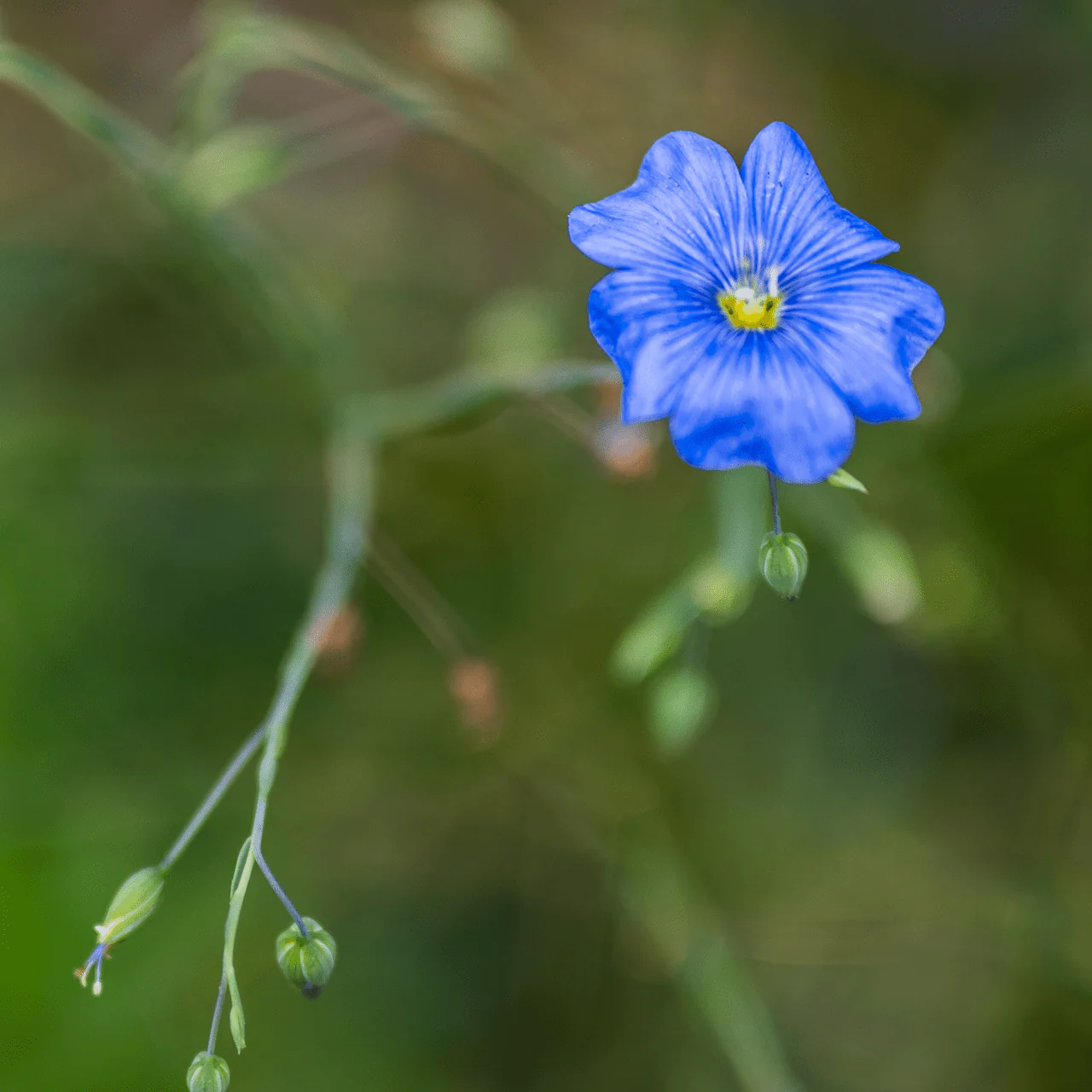
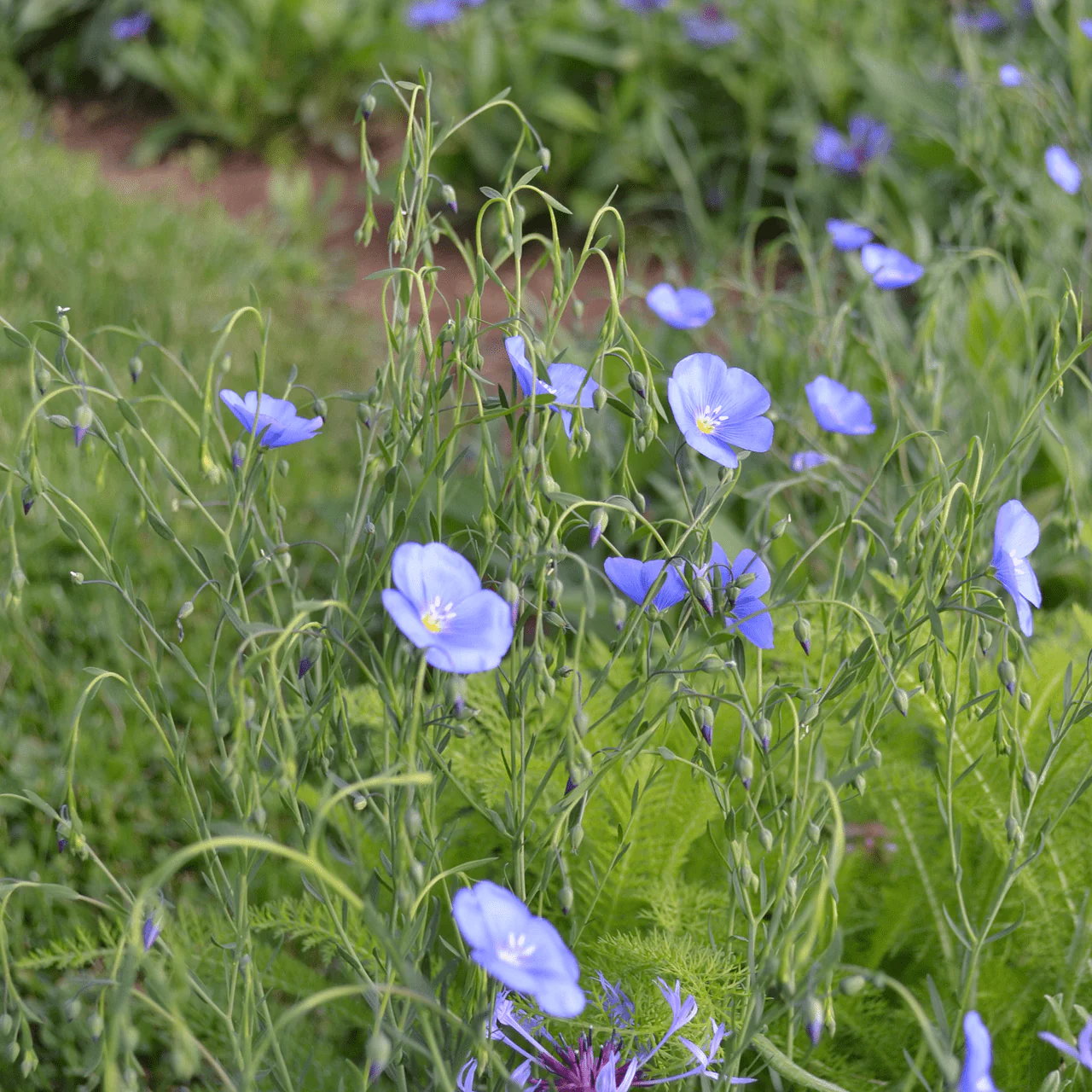
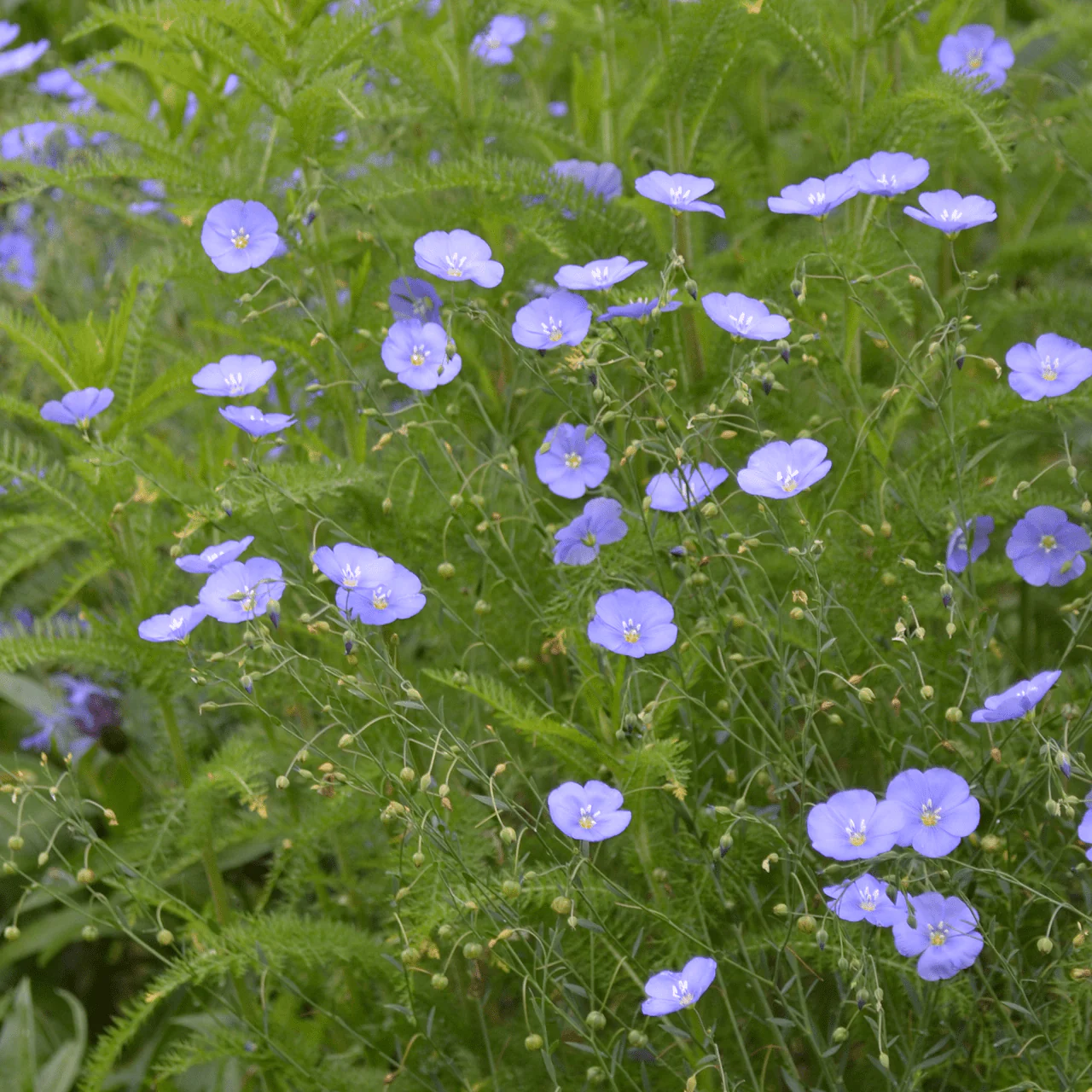
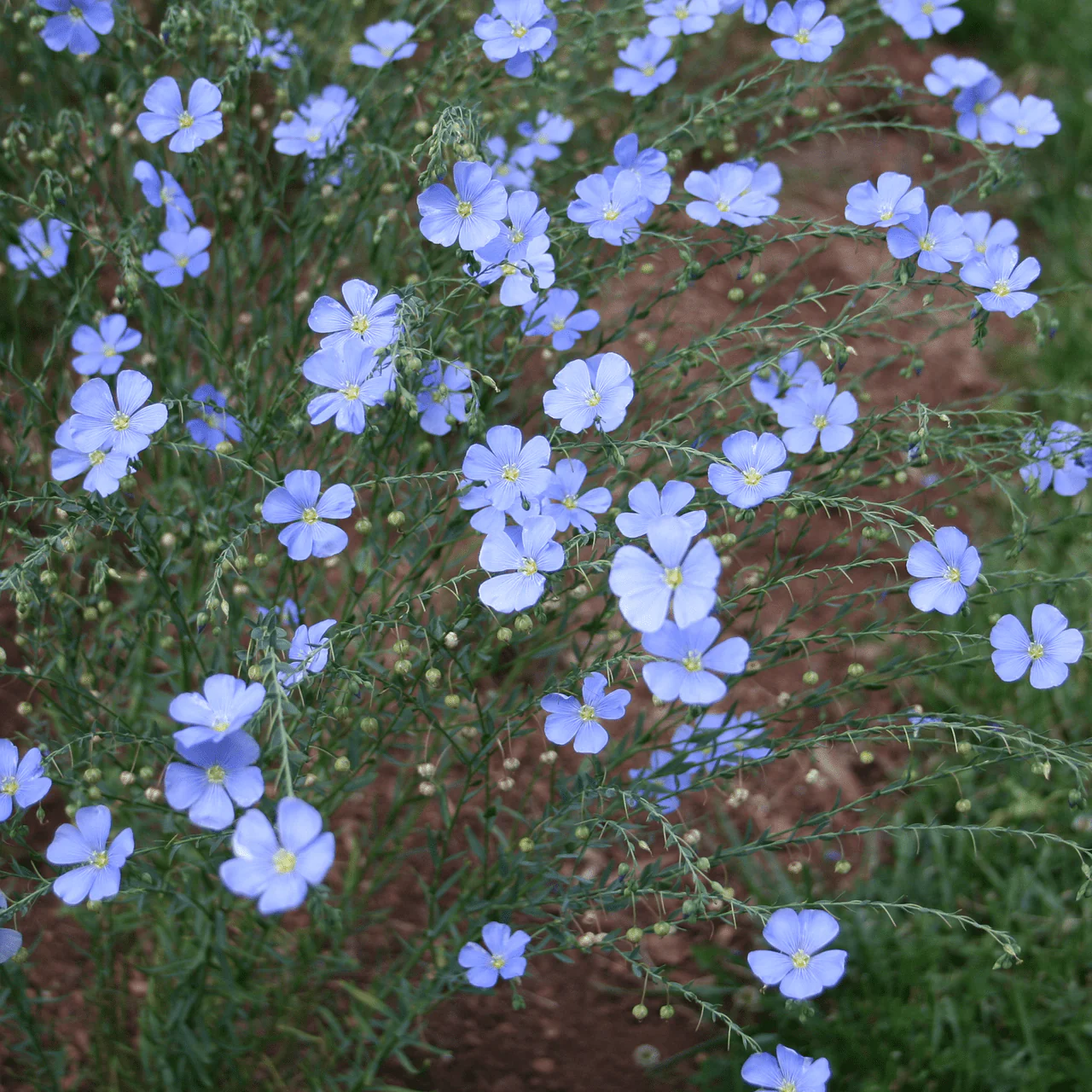
In 1806, Lewis and Clark observed this western North American perennial in the valleys of the Rocky Mountains. It was named Linum Lewisii after Capt. Meriwether Lewis. This subspecies, which is more robust than the common European species, bears funnel-shaped, clear blue flowers on slender, somewhat nodding, 2-3 foot stems in early to mid-summer.
Sow seeds indoors 8-12 weeks before last frost date at 70 degrees F. Transplant to 3" pots once they have several true leaves, then harden off and plant outdoors in well-drained soil after last frost. Seeds can also be direct-sown in spring. Approximately 75 seeds per packet.
More Images
Lewis' Prairie Flax Seeds (Linum perenne lewisii)
In 1806, Lewis and Clark observed this western North American perennial in the valleys of the Rocky Mountains. It was named Linum Lewisii after Capt. Meriwether Lewis. This subspecies, which is more robust than the common European species, bears funnel-shaped, clear blue flowers on slender, somewhat nodding, 2-3 foot stems in early to mid-summer.
Sow seeds indoors 8-12 weeks before last frost date at 70 degrees F. Transplant to 3" pots once they have several true leaves, then harden off and plant outdoors in well-drained soil after last frost. Seeds can also be direct-sown in spring. Approximately 75 seeds per packet.
Product Information
Product Information
Shipping & Returns
Shipping & Returns
Description
In 1806, Lewis and Clark observed this western North American perennial in the valleys of the Rocky Mountains. It was named Linum Lewisii after Capt. Meriwether Lewis. This subspecies, which is more robust than the common European species, bears funnel-shaped, clear blue flowers on slender, somewhat nodding, 2-3 foot stems in early to mid-summer.
Sow seeds indoors 8-12 weeks before last frost date at 70 degrees F. Transplant to 3" pots once they have several true leaves, then harden off and plant outdoors in well-drained soil after last frost. Seeds can also be direct-sown in spring. Approximately 75 seeds per packet.